
Struggling with PTSD?
We can help.
Interventional Psychiatry of Philadelphia offers Prism neurofeedback, an FDA-approved treatment for PTSD now available in Philadelphia and surrounding areas. Prism trains your brain to regulate its stress response through an interactive, personalized experience that does not require you to relive your trauma.
What Is Prism Neurofeedback?
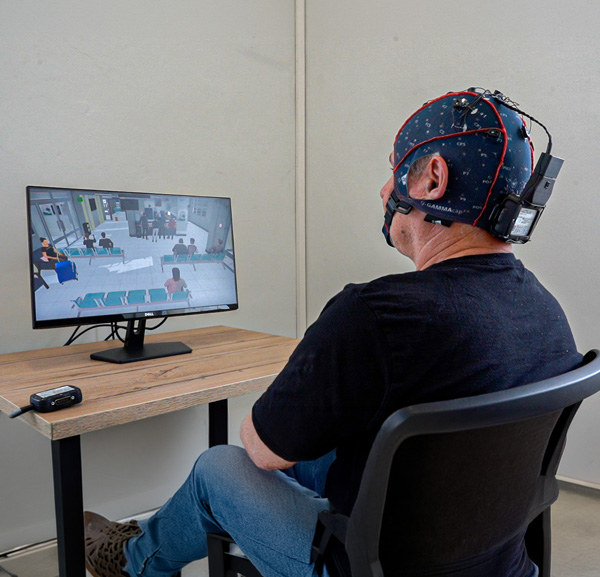
Neurofeedback treatment involves wearing a comfortable EEG headset while watching a video on a screen. The headset records your brain activity throughout the session and your provider uses that data to inform your treatment.
Prism takes this a step further by making the experience interactive. Rather than passively watching a video, the scene on screen actually changes in real time based on what your brain is doing, similar to a video game. This gives you immediate feedback on whether the mental strategies you are using are working, turning each session into an active and personalized training experience.
Neurofeedback Treatment is
FDA Approved
Prism carries FDA approval for PTSD and FDA exemption for depression, a distinction most neurofeedback systems cannot claim.
Interactive and Personalized
The on-screen experience responds directly to your brain activity in real time, so every session is specific to you.
Medication Free
Prism works by training brain activity rather than introducing medications, making it a viable option for patients seeking a non-pharmacological approach.
Non-Invasive
No surgery, no stimulation, and no need to discuss or relive traumatic events.
Is Prism Neurofeedback Right for Me?
Prism Alleviates PTSD By
- Improving Stress Regulation
- Reducing Hypervigilance
- Strengthening Emotional Control
- Treating All PTSD Symptom Clusters
- Promoting Nervous System Stability
Prism can be used alongside existing medications or therapy. If your current treatment is not providing enough relief, Prism offers a scientifically grounded, non-invasive path forward.
Watch Video: Prism for PTSD Patient Animation

ADHD and Emotional Regulation
Beyond PTSD Treatment
Neurofeedback is often used to help patients with PTSD regulate their stress response, but the same brain-training approach can also help with attention difficulties and emotional dysregulation.
Improve Focus and Attention
Neurofeedback helps train the brain to maintain healthier activity patterns that support sustained attention and concentration. By reinforcing more stable brain activity, some patients experience improvements in focus and the ability to stay engaged with tasks.
Strengthen Emotional Regulation
Because neurofeedback targets brain systems involved in stress and emotional processing, it may also help individuals who experience mood instability or strong emotional reactions develop more balanced responses over time.
What are Treatments Like?
1
Initial Evaluation
Your clinician evaluates your symptoms and determines whether Prism neurofeedback is an appropriate fit for your treatment plan.
2
Interactive Brain Training
You wear a comfortable EEG headset while watching an animated scene that responds in real time to your brain activity. As your stress levels decrease, the scene reflects it.
3
Gradual Brain Regulation
Over 15 sessions held twice per week, your brain builds lasting ability to regulate its stress response. Your clinician guides you throughout and helps you refine the mental strategies that work best for you.
What Patients are Saying
Dr. Applegate stands out as a compassionate and skilled psychiatrist who offers a blend of expert medical treatment and personalized care. His attentive listening and clear communication make sessions both comforting and constructive.
Britt Beasley
Dr. Applegate is a frontrunner of advanced psychiatric interventions. He has the courage to provide new (and life changing) treatments, as he recognizes the limitations in the current state of mental health care. He is a consummate professional, ethical in all aspects of his work (and personal) life. If you are stalled out and don't know where to turn, reach out to Dr. Applegate....you won't be sorry!
Jason Goodson
Krissy was knowledgable and patient with all my questions and Dr. Applegate's understanding of neuromodulation really helped me move forward with this treatment with confidence.
Kelly McGillick
Frequently Asked Questions
Prism uses an EEG headset to monitor your brain activity while you interact with an animated scene on screen. The scene changes based on your brain’s stress levels in real time, giving you live feedback on whether your mental strategies are working.
Sessions are comfortable and non-invasive. You sit in a chair wearing a lightweight headset while watching an interactive screen that responds to your brain activity.
Sessions last approximately 30 minutes. A full Prism course includes one pre-training session followed by 15 treatment sessions held twice per week over about two months.
Prism is non-invasive and well tolerated. It works by training brain activity rather than introducing medication or stimulation.
Prism is FDA approved for PTSD and carries FDA exemption for depression. It broadly targets emotional dysregulation, which underlies a range of psychiatric conditions.
No. Prism can be used alongside existing medications or therapy.
In clinical studies, 70% of participants showed significant symptom improvement after eight weeks. Individual results vary and your clinician will monitor your progress throughout treatment.
Contact Us to Learn More
About Interventional Psychiatry of Philadelphia
Interventional Psychiatry of Philadelphia creates individualized approaches for patients based on their unique history. Our mission is to provide high quality care for those suffering with mental health issues in a way that is personalized, individualized, and sets people up for success.
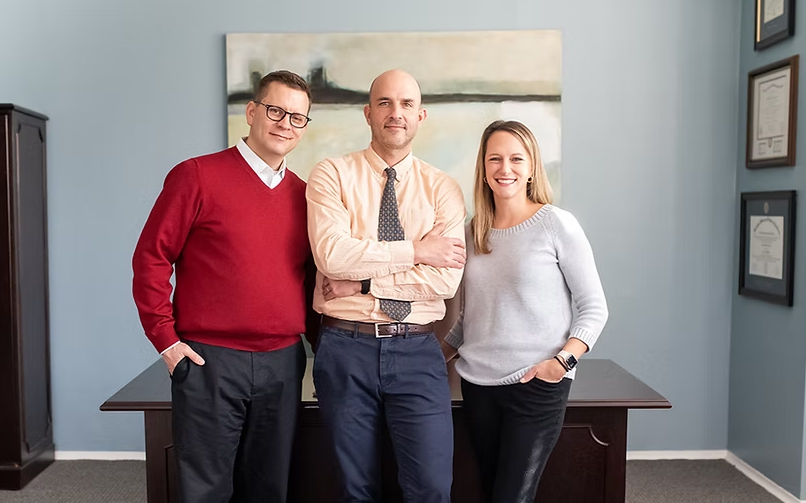
Dr. Applegate

Dr. Applegate has devoted his practice to providing and advancing interventional psychiatry such as Neurofeedback Treatment.
- Board-certified psychiatrist with 20+ years of experience.
- Educator and mentor for psychiatry trainees.
- Provides personalized, evidence-based psychiatric care.
- 2401 Pennsylvania Avenue #1C44-45, Philadelphia, PA, 19130
- Phone: (267) 214-1450
