
Depressed?
We can help.
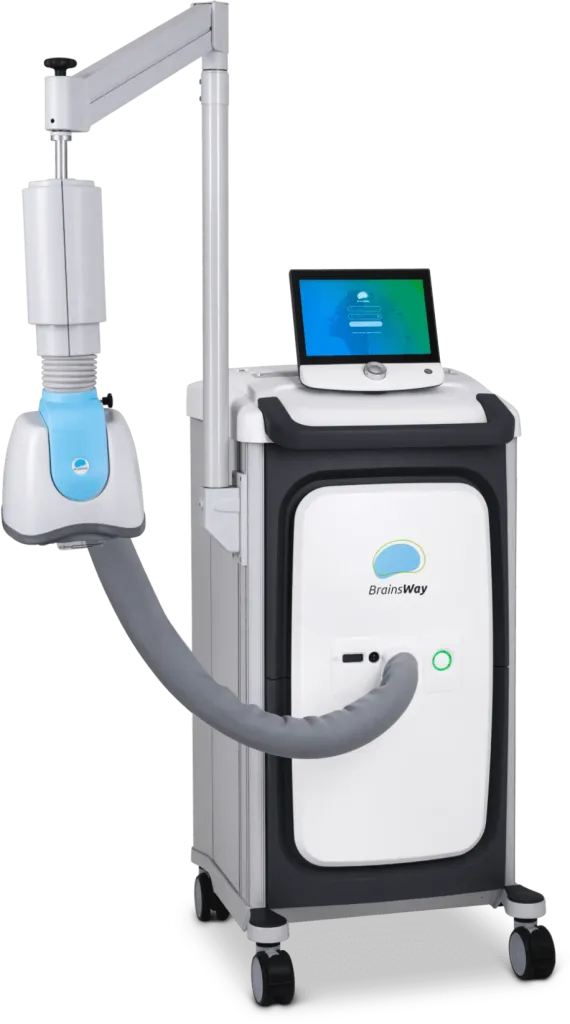
Interventional Psychiatry of Philadelphia is proud to offer Brainsway TMS Therapy to patients in Philadelphia and surrounding areas. With TMS, you can get back to living your life.
What is TMS Therapy?
Transcranial Magnetic Stimulation (TMS) therapy is a non-invasive medical treatment that uses targeted magnetic pulses to stimulate specific areas of the brain involved in mood regulation and other neurological functions. It is most commonly used to treat major depressive disorder, particularly in individuals who have not experienced sufficient improvement with antidepressant medications. TMS is also being used and studied for conditions such as anxiety disorders, obsessive-compulsive disorder (OCD), addicitions, and chronic pain.
TMS is
Evidenced Based Treatment
Backed by clinical research, TMS uses proven methods to help improve mental health outcomes
FDA Cleared
This therapy meets rigorous federal standards for safety and effectiveness.
Medication Free
Patients can benefit without the side effects or dependency risks often associated with medications.
Non-Invasive
TMS stimulates targeted areas of the brain using magnetic pulses without surgery or anesthesia.
Is TMS Right for Me?
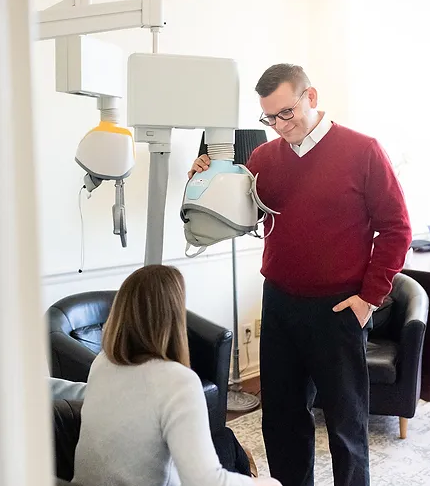
TMS Can Treat
- Depression
- Anxiety
- Addiction
- OCD
While medication work for many people, some people still do not feel relief. For hard to treat conditions where medication is not giving you adequate relief, TMS Therapy is a proven and safe option.
What are Treatments Like?
1
Preparation and Mapping
At the first visit, the provider measures and maps the treatment area on your scalp to determine the correct placement and strength of the magnetic pulses. You remain awake and seated comfortably, and no anesthesia is required.
2
Treatment Sessions
A magnetic coil is placed gently on your head to stimulate targeted brain areas. iTBS treatments take under 5 minutes, while standard sessions last up to 20 minutes. You can relax, listen to music, or talk during treatment.
3
After the Session
Once the session ends, you can immediately return to normal activities such as work or driving. Some people experience mild scalp discomfort or a headache, which usually improves as treatment continues.
Accelerated TMS
What Are Accelerated TMS Protocols?
Accelerated TMS delivers multiple treatment sessions within the same day rather than spreading them out over several weeks. This approach allows the treatment schedule to be condensed while still providing the total number of sessions needed for therapeutic effect.
Faster Treatment Structure
Accelerated protocols can vary depending on the patient’s needs. The number of sessions per day and the total number of treatments are adjusted based on clinical considerations and individual response to treatment.
Similar to SAINT-Style Protocols
Many people researching accelerated TMS are familiar with the SAINT protocol, which involves ten treatments per day for five days. While treatment plans can vary, our practice offers accelerated approaches that are similar in concept and designed to explore what schedule may be most appropriate for each patient.
What Patients are Saying
Dr. Applegate stands out as a compassionate and skilled psychiatrist who offers a blend of expert medical treatment and personalized care. His attentive listening and clear communication make sessions both comforting and constructive.
Britt Beasley
Dr. Applegate is a frontrunner of advanced psychiatric interventions. He has the courage to provide new (and life changing) treatments, as he recognizes the limitations in the current state of mental health care. He is a consummate professional, ethical in all aspects of his work (and personal) life. If you are stalled out and don't know where to turn, reach out to Dr. Applegate....you won't be sorry!
Jason Goodson
Krissy was knowledgable and patient with all my questions and Dr. Applegate's understanding of neuromodulation really helped me move forward with this treatment with confidence.
Kelly McGillick
Frequently Asked Questions
TMS stands for transcranial magnetic stimulation. It is used to treat depression by stimulating the brain non-invasively using electromagnetic fields, similar to those produced by an MRI machine. During TMS Therapy, a magnetic field is administered in very short pulses to the part of the brain that research has demonstrated to be associated with depression. The typical initial course of treatment is about 19-37 minutes daily over 4-6 weeks.
The TMS Therapy system uses short pulses of magnetic fields to stimulate the area of the brain that is thought to function abnormally in patients with depression. The magnetic field produces an electric current in the brain that stimulates the brain cells (neurons). This results in changes that are thought to be beneficial in the treatment of depression.
It usually takes time for healthcare insurers to establish coverage policies for newly approved treatments such as TMS. However, many commercial and Medicare plans have recognized the effectiveness of treating depression with TMS Therapy and now cover TMS as part of their plans.
TMS Therapy is non-systemic (does not circulate in the blood throughout the body), so it does not have side effects such as weight gain, sexual dysfunction, nausea, dry mouth, sedation, etc. The most common side effects reported during clinical trials were headache and scalp discomfort – generally mild to moderate – occurring less frequently after the first week of treatment.
No. TMS Therapy involves a unique method of using pulsed magnetic fields for therapeutic benefit. The intensity of the magnetic field is similar to that of the magnetic fields used in magnetic resonance imaging, or MRI. These techniques differ radically from the popular use of low intensity, static magnetic fields. These products deliver weak and undirected static fields that are not capable of activating brain cells.
Contact Us to Learn More About TMS Therapy
About Interventional Psychiatry of Philadelphia
Interventional Psychiatry of Philadelphia creates individualized approaches for patients based on their unique history. Our mission is to provide high quality care for those suffering with mental health issues in a way that is personalized, individualized, and sets people up for success.
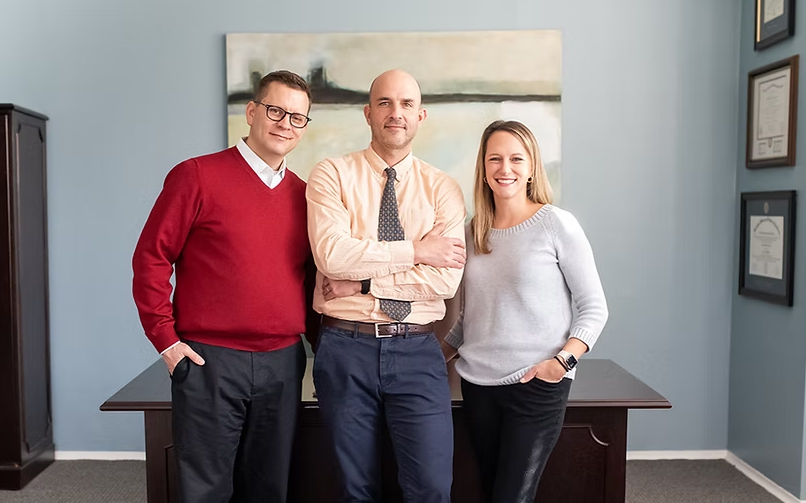
Dr. Applegate

Dr. Applegate was not only one of the first to provide TMS Therapy in Philadelphia but has devoted his practice to providing and advancing interventional psychiatry.
- Board-certified psychiatrist with 20+ years of experience.
- Medical Director specializing in TMS Therapy.
- Educator and mentor for psychiatry trainees.
- Provides personalized, evidence-based psychiatric care.
- 2401 Pennsylvania Avenue #1C44-45, Philadelphia, PA, 19130
- Phone: (215) 381-5100
